Why sewage is handled differently
Most water damage is a moisture problem. Sewage is a moisture problem and a contamination problem. The IICRC, which publishes the industry standard for water damage restoration, classifies sewage as Category 3 water: “grossly contaminated” water that “can contain pathogenic, toxigenic, or other harmful agents.”
That category also covers backups from drain lines beyond the trap, “regardless of visible content or color.” In plain terms: if water came up out of a drain, treat it as sewage even if it looks clear.
The EPA’s advice is direct. When water damage was caused by sewage or other contaminated water, call in a professional who has experience cleaning and fixing buildings damaged by contaminated water. The CDC warns that floodwater may contain sewage and that eating or drinking anything contaminated by it can cause diarrheal disease. If anyone in the house has health concerns after contact, talk to a doctor.
What to do right now
- Stop using water. If a drain line is blocked, every flush, shower, dishwasher cycle and load of laundry can push more water out. Tell everyone in the house.
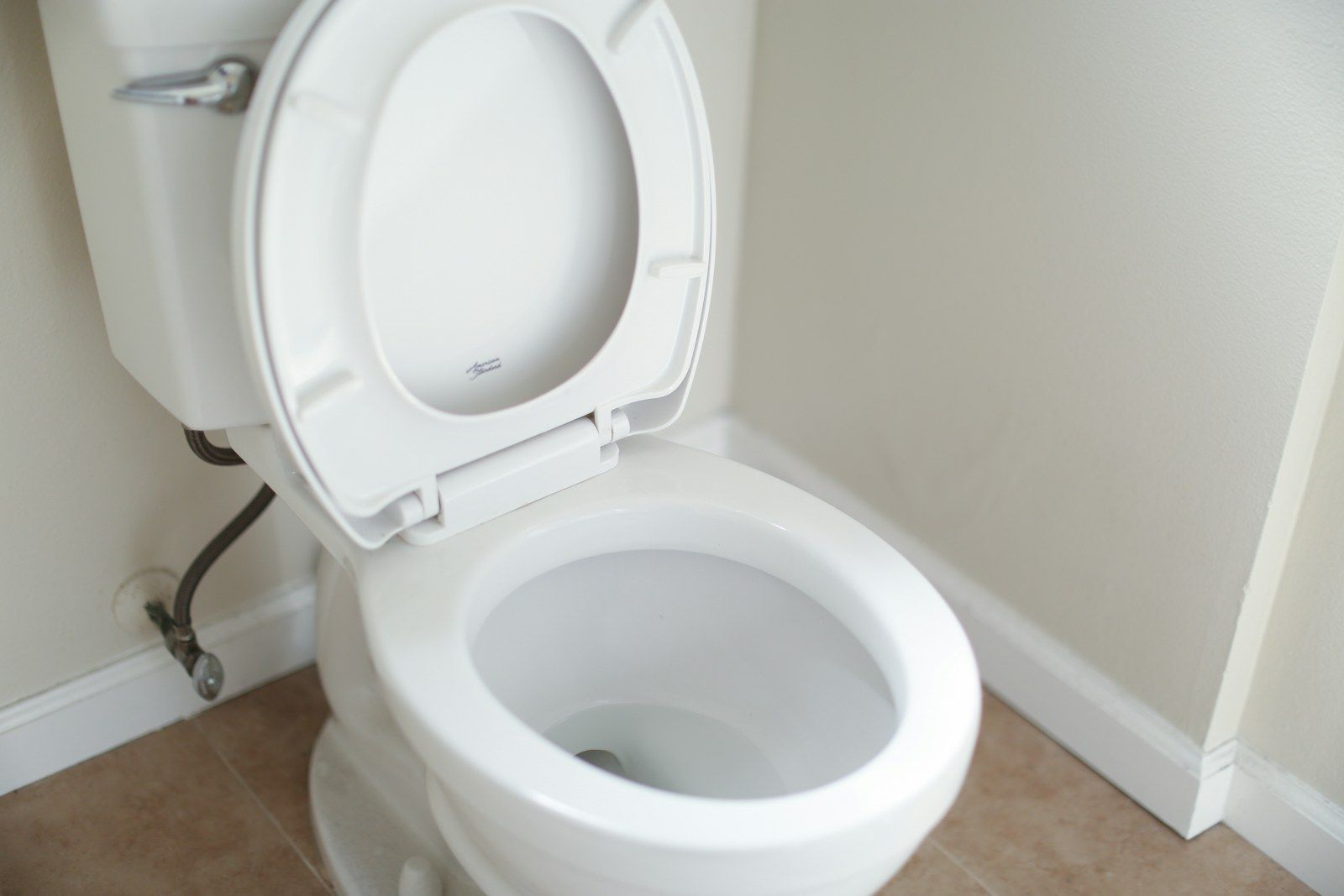
- Stop a toilet overflow at the source. Close the supply valve on the wall behind the toilet.
- Keep children and pets away. EPA flood cleanup guidance says to keep them away from flood and sewage water.
- Mind the electricity. If sewage has reached outlets, cords or appliances, don’t walk through it. Turn off power only from a dry spot.
- Protect yourself if you have to go near it. The CDC recommends rubber boots, rubber gloves and goggles when sewage is involved.
- Take photos and video before anything is cleaned or thrown out.
- Call a plumber and your insurer. The plumber clears or repairs the line. A restoration provider handles the cleanup.
For first steps that apply to any kind of water damage, see the first-hour guide.
What not to do
- Don’t run fans. The EPA says not to use fans before you know the water is clean or sanitary.
- Don’t mix cleaners. The EPA and CDC warn never to mix bleach and ammonia, which can create toxic vapors.
- Don’t reuse your mop, towels or household vacuum on anything else after they’ve touched sewage.
- Don’t try to save soaked porous items. See the list below.
- Don’t let kids help. The joint EPA and CDC cleanup guide says children should not take part in disaster cleanup work.
Toilet overflow or sewer backup?
The two can look alike, but they start in different places.
A toilet overflow happens when the bowl fills past the rim, usually because of a clog in the toilet or the drain just past it. If the overflow was mostly tank water with no waste in it, the cleanup is usually smaller, though the water still isn’t clean. If waste was in the bowl, treat it as sewage.
A sewer backup comes up out of drains, often ones that sit low in the house, like a shower, tub or floor drain. Water rising in the shower when the washer drains, or drains gurgling when a toilet flushes, can point to a blockage further down the line. This is Category 3 water however it looks.
Don’t let it sit. The IICRC notes that time and temperature affect how contaminants multiply in the water.
If neighbors are having backups at the same time, the problem may be in the public sewer rather than in your line. Call your city’s water or wastewater department to report it.
What sewage cleanup involves
The IICRC standard says that with contaminated water, cleanup has to happen before drying, and restorers should use contamination controls and worker protection. The EPA notes that OSHA requires protective equipment and containment when water is known or suspected to contain sewage. A typical job looks like this:
- Containment. The provider may seal off the affected area with plastic sheeting and filter the air so contamination doesn’t spread to the rest of the house.
- Protective gear. Workers wear gloves, boots, eye protection and respirators.
- Removing the water and solids with pumps and extraction equipment. See emergency water extraction for how that part works.
- Removing porous materials. Carpet, pad, the lower part of drywall, insulation and baseboards that the water reached are usually cut out and bagged.
- Cleaning and disinfecting hard surfaces that can be saved, like tile, concrete, framing and cabinet boxes.
- Drying. Only after cleaning does structural drying begin.
- Checking for mold. If the backup went unnoticed for a while, mold may already be growing. See mold remediation.
The plumber’s work and the cleanup often overlap. The line needs to be cleared before the provider can finish, and the provider may need to open a wall or floor where the plumber has to reach a pipe. Tell each of them what the other is doing.
What usually gets thrown out
Porous things that sewage soaks into are very hard to clean. The CDC’s list of items to throw away if you can’t clean or dry them quickly includes mattresses, carpeting, carpet padding, rugs, upholstered furniture, cosmetics, stuffed animals, baby toys, pillows, foam-rubber items, books, wall coverings and paper products.
Hard, nonporous items like dishes, metal and glass can often be cleaned and disinfected.
Before anything goes out, photograph it and make a list. Insurance guidance suggests keeping damaged items until the adjuster has seen them. With sewage that can be hard, so ask your insurer how they want it handled.
Sewer backup and insurance
Coverage for sewage works differently from other water damage. Insurance industry guidance says sewer backups are not covered under a typical homeowners policy, and not by flood insurance either. Coverage usually has to be added as an endorsement. The National Association of Insurance Commissioners lists water backup of sewer or drain among common optional add-ons. Check your policy or ask your agent whether you have it.
Even so, you’re expected to limit further damage. The NAIC gives cleaning up water from a backed-up drain as an example of protecting your home after a loss. Our insurance guide explains more.
Questions to ask the provider
- How will you contain the area and protect the rest of the house?
- Which materials do you plan to remove, and which can be cleaned?
- Will you share photos and a list of removed items for my insurer?
- What is your Arizona contractor license number? Check it with the Arizona Registrar of Contractors.