Older homes, and more of them rented
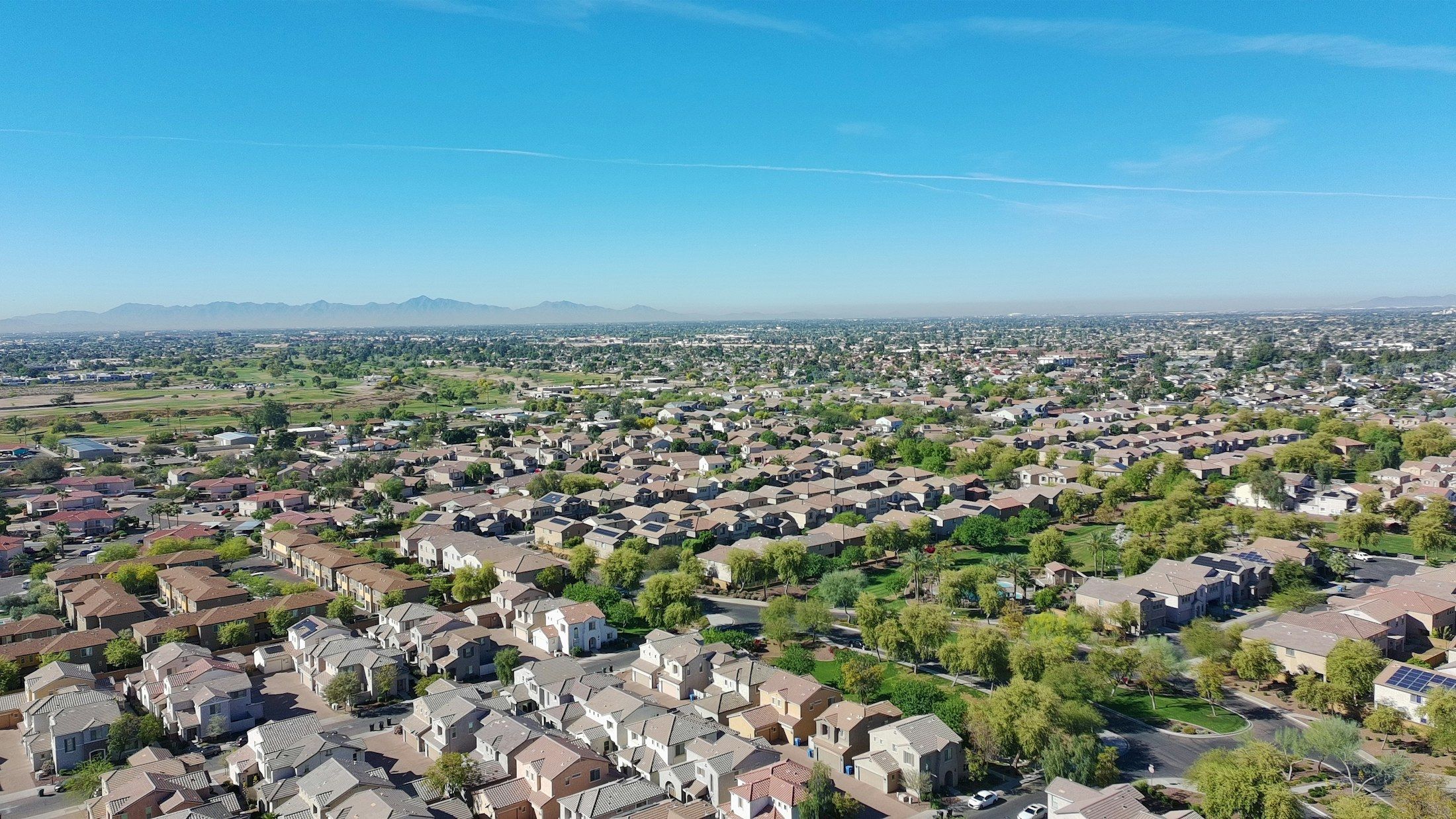
U.S. Census Bureau survey data (American Community Survey, 2020–2024) puts the median Tempe home at 1984, the oldest of the five East Valley cities we cover. About 41% of homes were built before 1980, and the 1970s were the busiest decade. In central Tempe’s ZIP code 85282, the median home dates to 1978. Near ASU and downtown, in 85281, the mix is wider: about a third of homes predate 1980, and 42% were built in 2000 or later. The Maple-Ash neighborhood next to campus dates back to the early 1900s.
Tempe is also the only one of these five cities where renters outnumber owners. About 42% of occupied homes are owner-occupied, and only about 38% of housing units are detached single-family houses. This page is written for owners. If you rent, report the leak to your landlord or property manager right away.
In a 40- or 50-year-old house, the shut-off valves may be as old as the plumbing. A water guide from the City of Phoenix and the Arizona Municipal Water Users Association warns that old or corroded valves can fail or break, and that you should only turn them by hand. Find yours before you need it, using the shut-off valve guide.
Before wet drywall comes out
Many water damage jobs involve cutting out wet drywall, baseboards or flooring. In an older home, that work can disturb old materials:
- Lead. The EPA says homes built before 1978 are more likely to have lead-based paint, and that sanding, cutting and demolition can create lead dust.
- Asbestos. The EPA lists vinyl floor tiles, sheet flooring backing, textured paint and patching compounds among products that may contain asbestos. It says testing by a qualified lab is the only way to be sure, and that if in doubt, you should treat the material as if it contains asbestos and leave it alone.
Ask the provider how they handle both before any cutting starts.
Flood irrigation in Tempe
Tempe runs its own flood irrigation service for 17 city parks and about 850 residential customers. Neighborhoods on the 2026 schedule include Campus Homes and Hudson Manor, University Park, Palmcroft and Hu-Esta, and Papago Gardens. Residential deliveries start at 10 p.m. on Sunday and can take several days.
The city asks residents to maintain their berms and to clear leaves and debris from the pipes under driveways and walkways. When a berm fails or a pipe clogs, irrigation water can pool against a slab edge, a patio door or the garage. SRP doesn’t deliver irrigation water in November or December because of the canal dry-up, which gives you a window to repair berms and yard pipes.
The 2025 storms
Tempe saw damaging winds and large hail in late 2025:
- October 13, 2025. A National Weather Service damage survey found microburst gusts around 80 to 90 mph along a corridor just east of I-10. Trees were uprooted, power lines came down and roofs were blown off buildings. Tempe’s mayor, the chairman of the Maricopa County Board of Supervisors and the governor all declared emergencies, and the county received more than 1,000 damage assessment forms.
- November 19, 2025. A supercell dropped accumulating hail on Ahwatukee and Tempe, with quarter- to golf-ball-size stones along Loop 202.
A damaged roof lets rain into the attic, insulation and ceiling, sometimes with the next storm rather than the one that caused the damage. EPA guidance on water-damaged materials says wet insulation should be discarded and replaced, while drywall can sometimes be dried in place if it isn’t swollen and the seams are intact. See monsoon and storm water damage.
Arizona’s Department of Insurance and Financial Institutions advises homeowners with water damage to avoid high-pressure sales and people who come door to door offering services nobody requested. Check any contractor’s license with the Arizona Registrar of Contractors.
Tempe’s water
Tempe’s 2024 water quality report gives an average hardness of 11.3 grains per gallon, with samples ranging from 9.9 to 33. In 2024, about 71% of the water came from SRP surface water, 23% from city wells and 6% from the Colorado River. Hard water leaves scale in pipes and water heaters. See water heater and appliance leaks.
If water gets into your Tempe home
- Stop the water at the fixture, or at the main shut-off. Turn old valves by hand.
- If water has reached outlets or cords, stay out of it.
- Take photos before moving anything. The state insurance department suggests calling your insurer before you call a contractor.
- Call to reach an independent restoration provider that serves Tempe, and a plumber or roofer for the repair.
The first-hour guide covers each step.