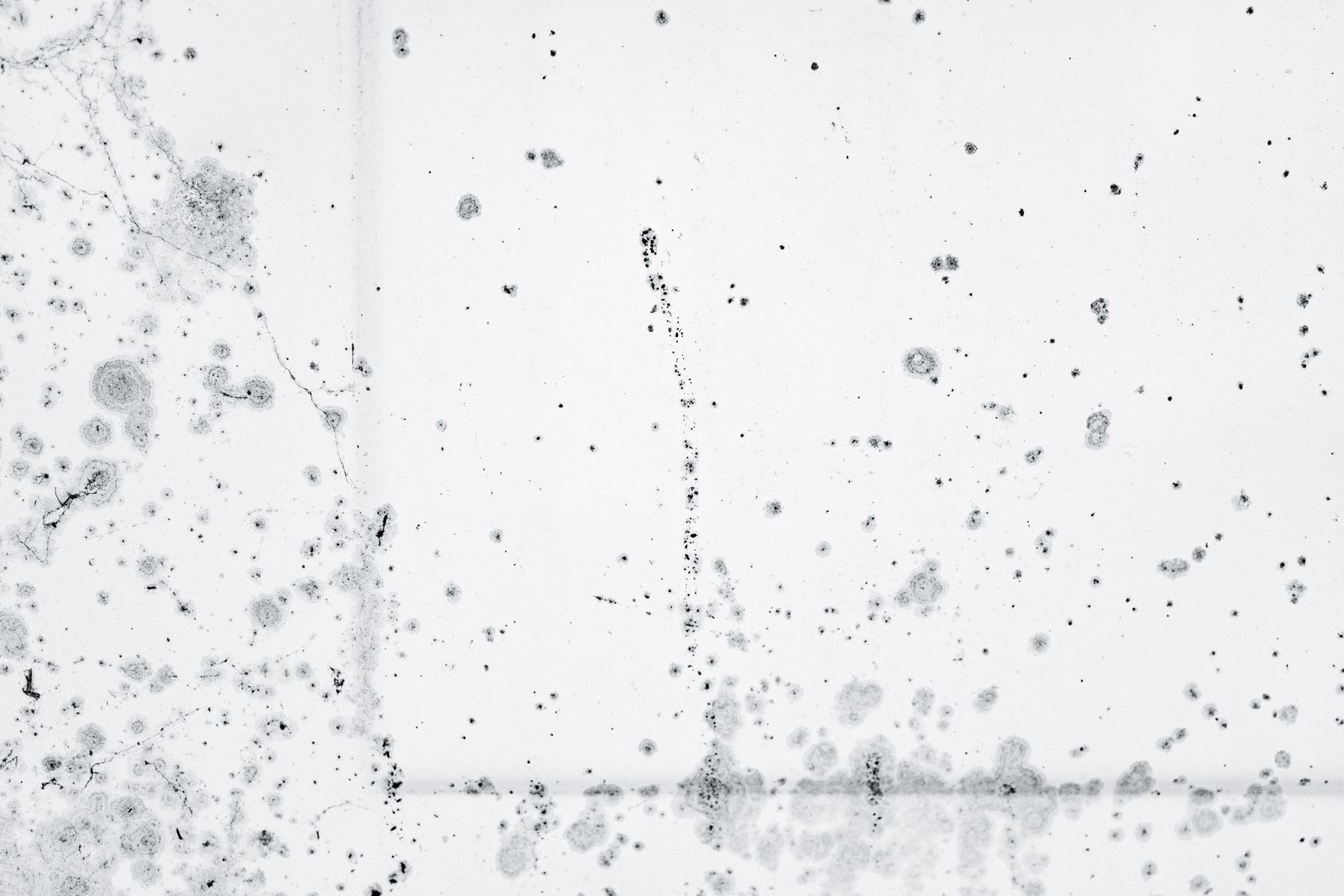
Why mold hides after water damage
Mold needs moisture. The EPA says there is no practical way to get rid of all mold and mold spores indoors, and that “the way to control indoor mold growth is to control moisture.” Hidden mold almost always traces back to hidden water.
The EPA advises drying water-damaged areas and items within 24 to 48 hours to prevent mold growth. Joint EPA and CDC guidance says that if you weren’t able to dry your home in that window, you should assume you have mold growth.
The trouble is that water goes where you can’t see it. It wicks up the back of drywall, soaks into carpet pad, spreads under laminate and sits in the bottoms of cabinets. A room can look and feel dry while those materials stay wet for days.
Where the EPA says mold hides
The EPA’s guide to mold and moisture lists these places:
- The back side of drywall, wallpaper or paneling
- The upper side of ceiling tiles
- The underside of carpets and carpet pads
- Inside walls around pipes that leak or sweat with condensation
- Wall surfaces behind furniture, where condensation forms
- Inside ductwork
- Roof materials above ceiling tiles, from roof leaks or insufficient insulation
Most of these are spots you’d never see in daily life. That’s why the signs below matter.
Signs to watch for
A musty smell
This is often the first clue. The EPA says you may suspect hidden mold if a building smells moldy but you can’t see the source. Notice where the smell is strongest: one closet, one wall, under a sink, near the air handler. That’s where to start looking for moisture.
Stains and discoloration
The Smart Home Water Guide, published with the City of Phoenix, tells homeowners to look for damp spots and water stains on ceilings and walls. Watch for rings on the ceiling, dark patches low on a wall, and stains that come back after you paint over them.
Peeling or bubbling paint
Paint and wallpaper that bubble, blister or peel away from the wall can mean moisture is getting in behind them. Don’t pull wallpaper off to check. The EPA warns that removing wallpaper can release a massive amount of spores if mold is growing on the underside.
Warped baseboards and flooring
Wood and particleboard swell when they stay wet. Look for:
- Baseboards that are swollen, soft or pulling away from the wall
- Laminate or wood flooring that cups, buckles or lifts at the seams
- Grout lines that stay dark
- Carpet that feels damp along one wall
The EPA’s cleanup table says drywall that shows obvious swelling, or whose seams aren’t intact, should be removed and replaced rather than dried in place.
Water use you can’t explain
A hidden leak can show up on the water bill before it shows up on a wall. The City of Phoenix notes that unexplained month-to-month increases in water use may indicate a leak. Our shut-off valve guide explains how to check the meter.
Damp air and condensation
The EPA recommends keeping indoor humidity between 30 and 60% to decrease mold growth. Condensation on windows, or on walls behind furniture, is a sign the air holds more moisture than it should. A simple humidity gauge, called a hygrometer, can tell you where you stand.
Where hidden water comes from in Valley homes
Slab leaks
The University of Arizona Cooperative Extension lists floating and monolithic slabs as the most common foundation types in Arizona, and in many homes water lines run under the concrete. When one leaks, water spreads under the flooring and into the bottoms of walls, often without a puddle. The Smart Home Water Guide suggests feeling for warm spots on the floor after running hot water nearby. See slab leak water damage.
Air conditioning drains
Every air conditioner makes condensate water, and Valley systems run for much of the year. ENERGY STAR warns that a plugged condensate drain “can cause water damage in the house and affect indoor humidity levels.” The Department of Energy’s Building America program adds that clogged drain lines and overflowing drain pans from equipment in attics and closets “can go undetected long enough to cause severe water damage.”
Watch the ceiling below the air handler and the floor of any closet that holds HVAC equipment. More on AC drain and appliance leaks.
Monsoon roof leaks
The National Weather Service and the City of Phoenix treat June 15 through September 30 as monsoon season. The NWS says about half of the region’s yearly rain falls from June to September, and storms can drop a lot at once. On September 16, 2026, parts of Maricopa and Pinal counties got 2 to 4 inches, most of it within two to three hours.
The EPA lists roof materials above the ceiling among the places mold hides after roof leaks. A small leak can wet insulation and the back of the ceiling drywall for a while before any stain shows below. If you have a roof-mounted evaporative cooler, the University of Arizona’s Water Wise program warns that a sticking float valve lets water run continuously, and that split seams or rust in the tray could cause a leak.
Monsoon season is also the humid part of the Valley’s year. The University of Arizona’s CLIMAS program notes that during the monsoon, outside air is already moist, which is why evaporative coolers work less well then. Wet materials dry more slowly in that air, too. After a storm, check the ceiling and the walls under windows and doors. See monsoon and storm water damage.
What to do if you suspect hidden mold
- Find and stop the water. Nothing else holds until the moisture source is fixed. That may mean a plumber, an HVAC technician or a roofer.
- Don’t open up large areas yourself. The EPA says that if you believe you have a hidden mold problem, you should consider hiring an experienced professional. Cutting into walls or pulling up flooring can spread spores. In homes built before 1978, it can also disturb lead-based paint; our first-hour guide explains the EPA’s lead advice.
- Don’t point fans at it. Joint EPA and CDC guidance says not to use fans if mold has already started to grow, because they may spread it.
- Use the 10-square-foot rule of thumb. The EPA says that if the moldy area is less than about 10 square feet, roughly 3 feet by 3 feet, you can handle it yourself in most cases by following its guidelines. For more than that, or after a lot of water damage, it points to its guide on mold remediation in larger buildings. If sewage or other contaminated water caused the damage, the EPA says to call in a professional with experience cleaning up after contaminated water.
- Protect yourself for small jobs. Joint EPA and CDC guidance says to wear an N-95 respirator at a minimum, goggles and protective gloves.
- Don’t paint over it. The same guidance says painting or caulking over mold will not prevent it from growing.
If you hire help, the EPA suggests making sure the contractor has experience cleaning up mold, checking references and asking them to follow EPA’s remediation guidance. Arizona doesn’t have a separate mold remediation license that we could find; check the contractor’s ROC license and ask about their mold process. Read more about mold remediation.
Mold coverage is often limited in homeowners policies, but the Insurance Information Institute says mold removal may be covered when the mold is the direct result of a covered peril, such as a burst pipe. Our insurance guide has the details. Check your own policy.
Mold and your health
The EPA says molds have the potential to cause health problems. They produce allergens, irritants and, in some cases, potentially toxic substances. The CDC says that for some people, mold can cause a stuffy nose, sore throat, coughing or wheezing, burning eyes, or skin rash, and that people with asthma or mold allergies may have severe reactions.
Joint EPA and CDC guidance says people with breathing problems like asthma, or with weakened immune systems, should stay away from moldy sites, and children should not take part in the cleanup. If you have health concerns, talk to a doctor before you start any cleanup, as the EPA advises.