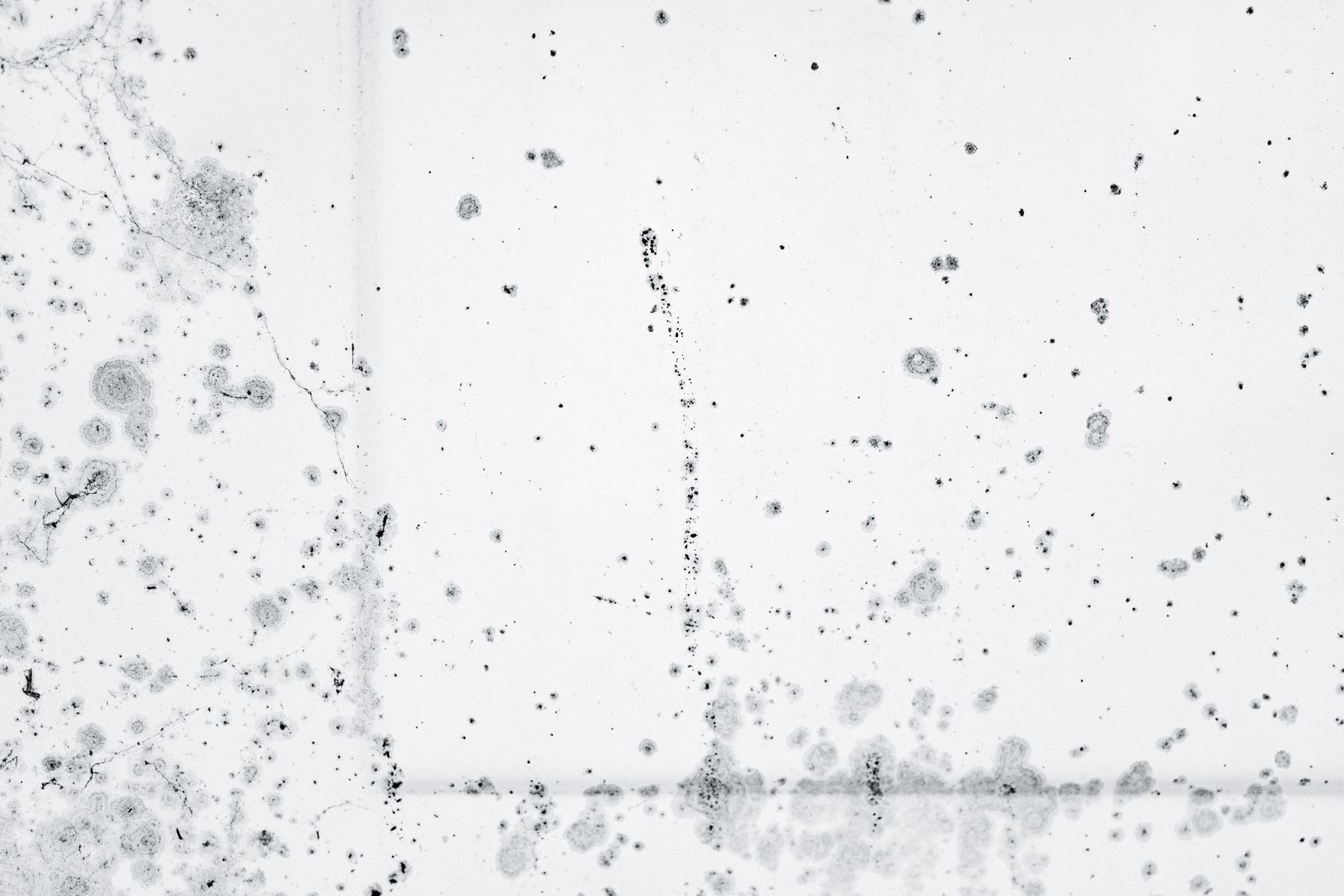
Mold follows moisture
The EPA puts it plainly: “There is no practical way to eliminate all mold and mold spores in the indoor environment; the way to control indoor mold growth is to control moisture.” Every mold job starts with the water.
The EPA advises drying water-damaged areas and items within 24 to 48 hours to prevent mold growth. It calls that a guideline, not a hard line. Mold can still start on materials that were dried in time, and it doesn’t always grow when drying takes longer. The joint EPA and CDC guide for homeowners says that if you couldn’t dry things within 24 to 48 hours, you should assume mold is growing.
Dry desert air doesn’t reach water trapped inside a wall. In Valley homes, the moisture behind mold can come from a slow slab leak, a clogged AC condensate drain, a leaking water heater, or a monsoon storm that got into the roof or under a door.
How much can you handle yourself?
The EPA’s mold guide says that if the moldy area is less than about 10 square feet, roughly a 3 by 3 foot patch, you can handle the job yourself in most cases. Look for professional help, or follow the EPA’s larger remediation guidance, when:
- The area is bigger than about 10 square feet, or there was a lot of water damage.
- Sewage or other contaminated water caused it. The EPA says to call in a professional with experience cleaning buildings damaged by contaminated water. See sewage backup cleanup.
- You suspect hidden mold. The EPA suggests considering an experienced professional, and warns that pulling off wallpaper with mold underneath can cause “a massive release of spores.”
- The HVAC system may be contaminated. The EPA says to consult its guidance before running the system.
- You have health concerns. The EPA advises talking to a health professional before starting cleanup.
If you clean a small area yourself, the joint EPA and CDC guide recommends an N-95 respirator at a minimum, goggles and protective gloves. It warns against running fans once mold has started to grow, because they can spread it. Never mix bleach with ammonia.
Where mold hides
The EPA lists places where mold may be hidden:
- The back side of drywall, wallpaper and paneling
- The upper side of ceiling tiles, and roof materials above them after a roof leak
- The underside of carpet and pad
- Inside walls around leaking or condensing pipes
- Walls behind furniture, where condensation forms
- Inside ductwork
The EPA says you may suspect hidden mold when a building smells moldy but you can’t see the source. Our signs of hidden mold guide covers the other warning signs.
What mold remediation involves
Methods vary by job, but professional remediation usually covers these steps.
Fixing the moisture. Mold comes back if the leak, drain or roof problem isn’t fixed. That repair may belong to a plumber, roofer or HVAC technician, and it should happen first or alongside the mold work.
Containment. The work area is usually sealed off with plastic sheeting and air filtration, so spores and dust don’t spread to the rest of the house.
Removing porous materials. The EPA notes that “absorbent or porous materials, such as ceiling tiles and carpet, may have to be thrown away if they become moldy.” Moldy drywall, insulation and carpet pad are usually cut out and bagged.
Cleaning what stays. Framing and other surfaces that can be saved are cleaned and vacuumed with equipment that traps fine dust.
Drying. Everything has to be dry before walls are closed up. See structural drying.
Checking the result. A visual check and moisture readings before any rebuild.
The joint EPA and CDC guide says sampling for mold is not usually recommended. Visible growth or a musty smell is already enough reason to find the moisture and clean up.
Ask the provider which guidance they follow. The EPA suggests asking contractors to follow its guide Mold Remediation in Schools and Commercial Buildings. The restoration industry’s own standard is ANSI/IICRC S520, the Standard for Professional Mold Remediation.
Hiring for mold work in Arizona
Arizona doesn’t have a separate mold remediation license that we could find. That puts more of the checking on you.
- Check the contractor’s Registrar of Contractors license. The Arizona Registrar of Contractors tells homeowners, “Anyone can pretend to be a contractor. Check the license.” Make sure the license class covers the work in your contract, especially if the job includes rebuilding drywall, flooring or cabinets.
- Ask about their mold process. How will they contain the area? What will they remove, and why? How will they confirm the moisture problem is fixed? The EPA also suggests checking that the contractor has experience cleaning up mold, and calling their references.
- Ask for proof of insurance. The ROC notes that, apart from workers’ compensation, it doesn’t require contractors to carry insurance to hold a license.
- Watch for pressure. Arizona’s Department of Insurance and Financial Institutions advises avoiding high-pressure sales and people who come door to door offering services you didn’t ask for.
Mold and your health
The CDC says that “for some people, mold can cause a stuffy nose, sore throat, coughing or wheezing, burning eyes, or skin rash,” and that people with asthma or mold allergies may have severe reactions. The joint EPA and CDC guide for cleanup after disasters says people with breathing problems like asthma or weakened immune systems should stay away from moldy sites, and children should not take part in the cleanup work.
If you have symptoms or health concerns, talk to your doctor.
What to do first
- Find and stop the water source, or get someone scheduled to fix it.
- Leave the mold alone for now. Don’t scrape it, peel wallpaper or aim fans at it.
- Take photos of the mold and the water damage, then call your insurance company.
- Size it up. For mold bigger than about 3 by 3 feet, mold from sewage, or hidden mold, the EPA’s guidance points past a do-it-yourself job.
- Keep children and anyone with asthma or a weakened immune system out of the area.