First steps when water gets into your home
Most of what helps in the first few minutes is about safety and stopping the water.
- Stay out of water near electricity. If water has reached outlets, power strips, cords or the electrical panel, don’t walk through it. Only switch off the power if you can reach the panel from a dry spot. If you’d have to walk through water to get there, call an electrician instead.
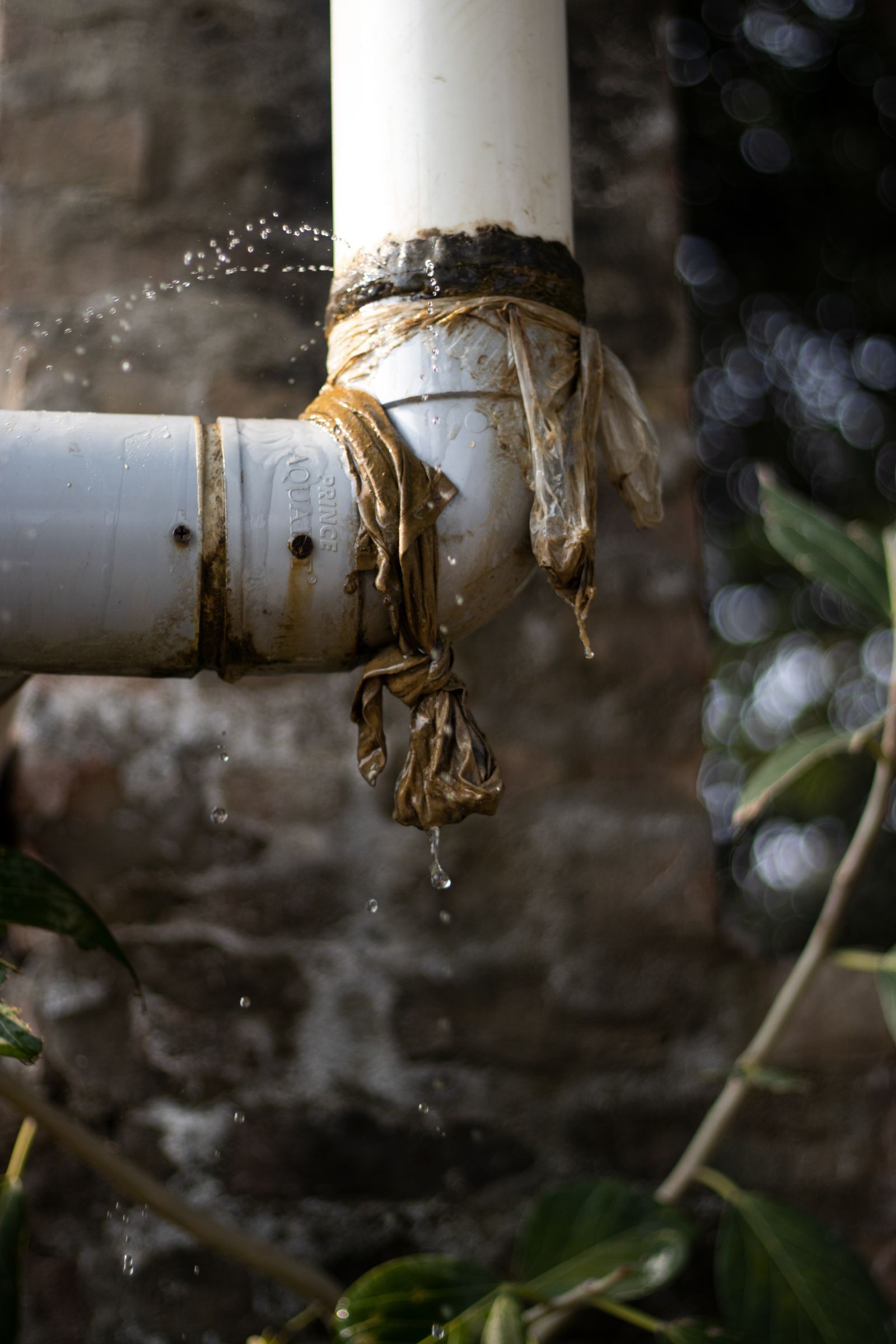
- Stop the water. Close the valve on the fixture or appliance that’s leaking. If you can’t, close the main shut-off valve for the house. The City of Phoenix says that valve is usually at the front of the home, near a hose bib, where a pipe comes out of the ground and into the wall. Our shut-off valve guide shows what to look for.
- Treat toilet and sewer water as contaminated. Keep children and pets away from it, and don’t try to mop it up with household cleaning tools. See sewage backup cleanup.
- Take photos and video of the water and everything it touched before you move or throw anything away. Your insurer will likely ask for them.
- Move what you can. Get rugs, electronics, papers and small furniture out of the wet area.
The first-hour guide walks through each step in more detail.
Why the first 24 to 48 hours matter
The EPA’s guidance is to dry water-damaged areas and items within 24 to 48 hours to prevent mold growth. That window is short, and it’s easy to underestimate how much got wet. Water wicks up drywall, soaks into carpet pad and spreads under flooring and cabinets. A surface can feel dry while the material behind it is still wet.
Desert air helps exposed surfaces dry, but it doesn’t reach water trapped inside a wall, under laminate or behind a cabinet. That hidden moisture is what restoration providers look for with moisture meters and thermal cameras.
What water damage restoration usually involves
Every job is different, but most follow the same steps:
- Assessment. Finding where the water came from, what kind of water it is and how far it spread.
- Water removal. Extracting standing water from floors, carpet and padding.
- Removing damaged materials. Taking out carpet pad, drywall, insulation or cabinet parts that can’t be dried or that were soaked by contaminated water.
- Drying. Running air movers and dehumidifiers and taking moisture readings until each material is dry.
- Cleaning. Cleaning and sanitizing surfaces, especially after water from a toilet, drain or sewer line.
- Mold remediation, if growth has already started. See mold remediation.
- Repairs. Replacing drywall, flooring and trim. Some providers do this work themselves; others only handle the water removal and drying.
The kind of water matters. Water from a clean supply line is handled differently from water that came from a dishwasher or washing machine, and both are handled differently from sewage or floodwater that came in from outside. The more contaminated the water, the more material usually has to be removed rather than dried.
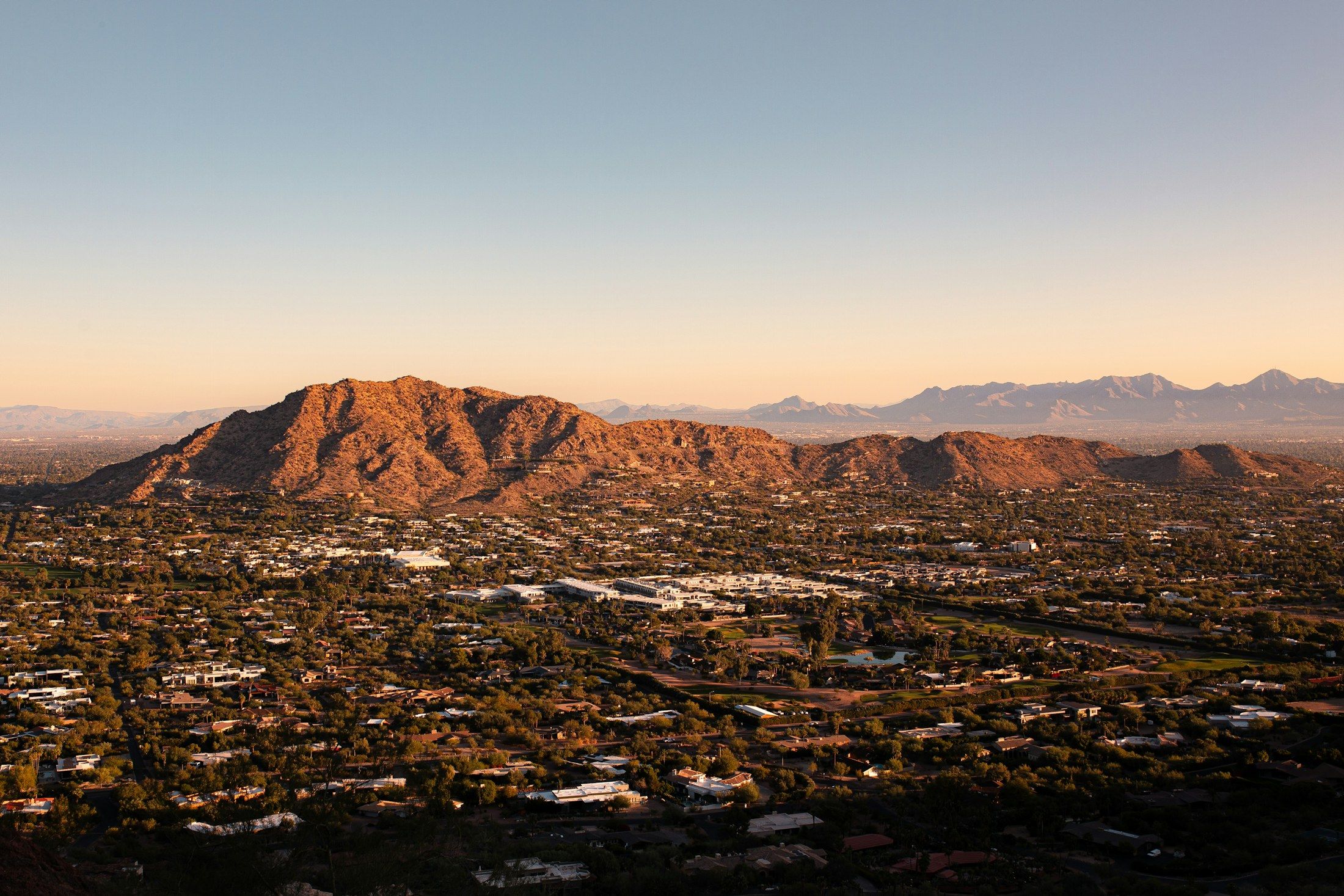
Water damage in Phoenix Valley homes
Several common causes are tied to the local climate and to how Valley homes are built.
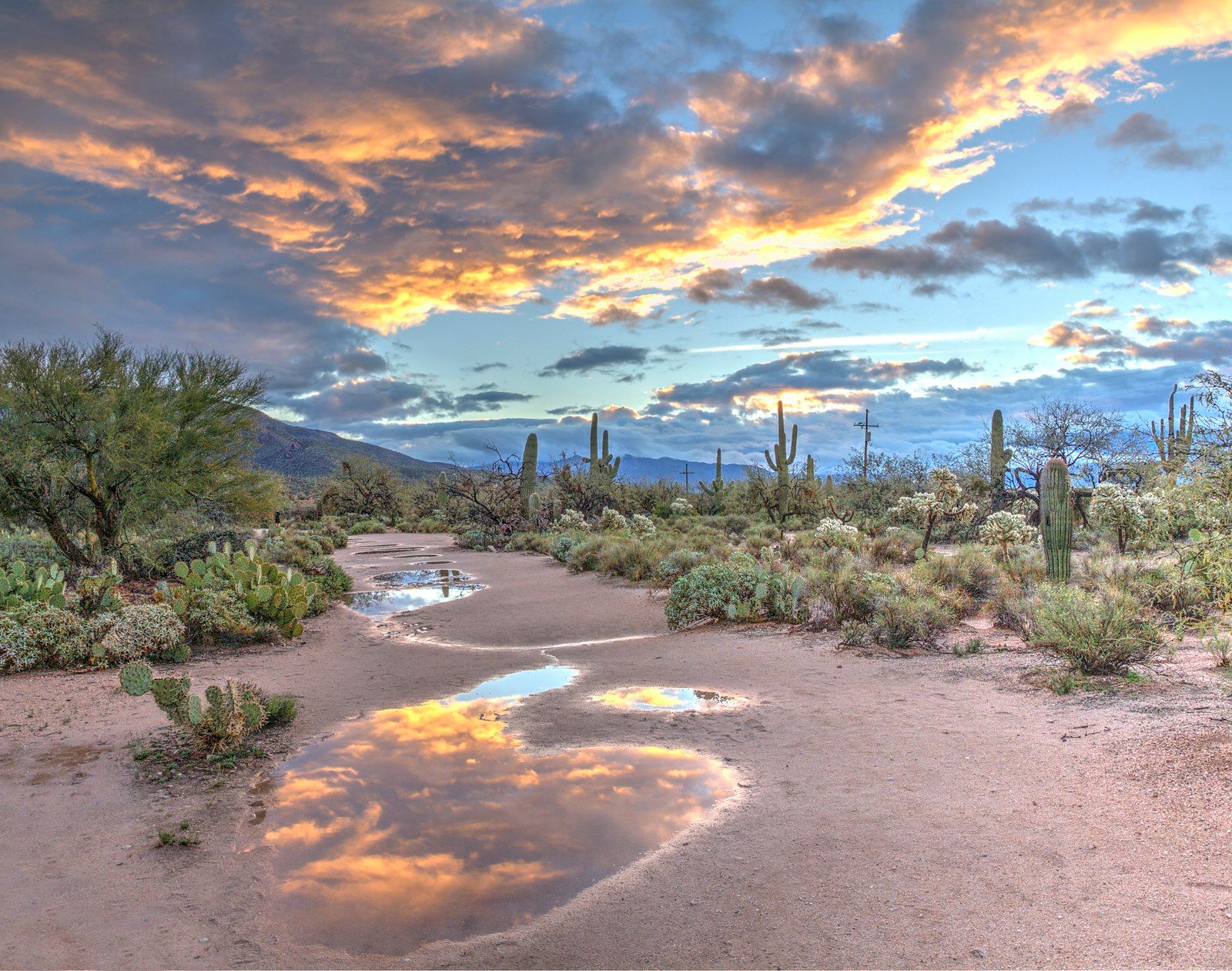
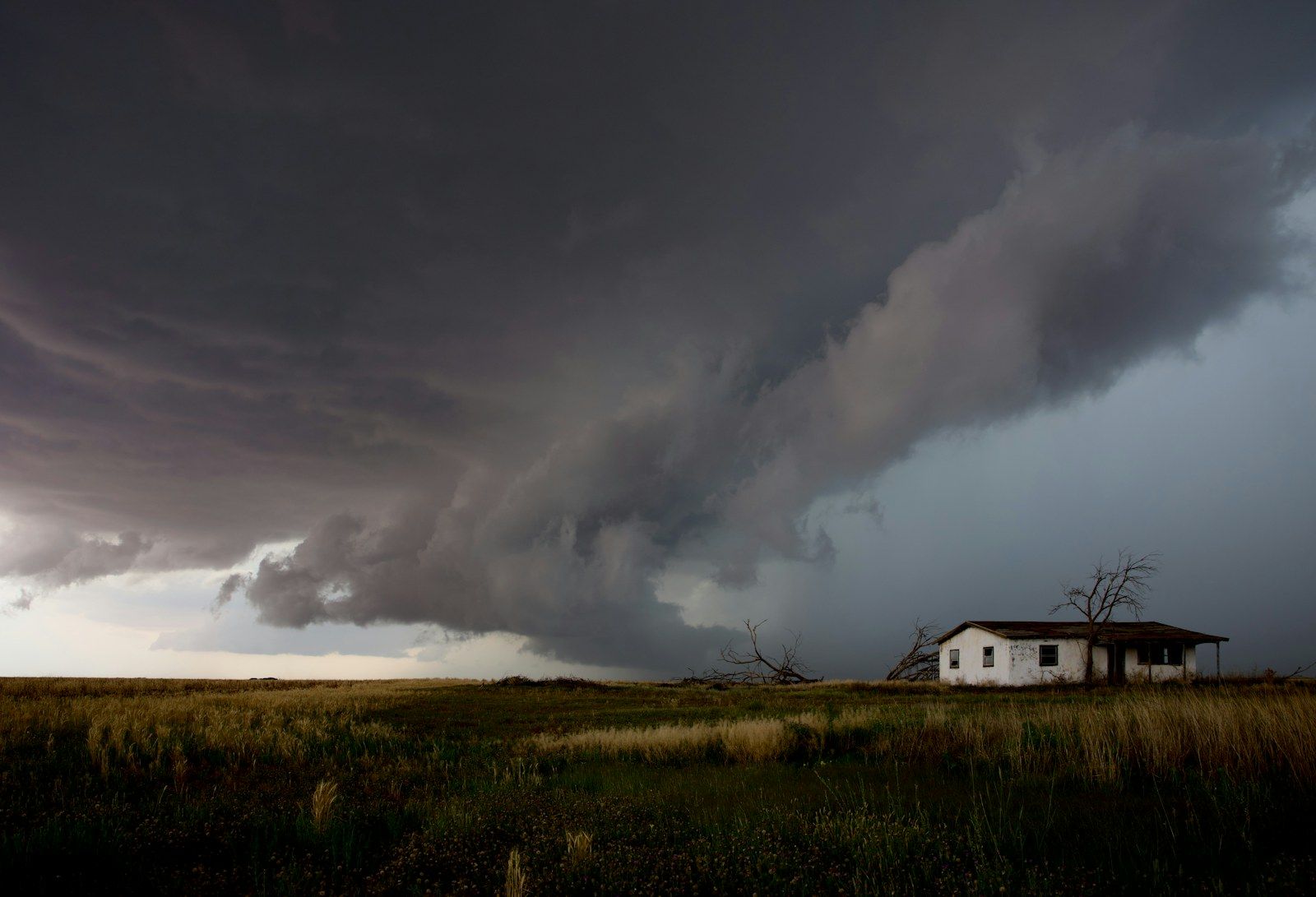
Monsoon storms. The National Weather Service and the City of Phoenix treat June 15 through September 30 as monsoon season, and the city notes that storms usually peak between mid-July and mid-August. The NWS says microburst winds are commonly 40 to 60 mph and can exceed 100 mph. Rain can arrive fast: on September 16, 2026, parts of Maricopa and Pinal counties got 2 to 4 inches, most of it within two to three hours. Water gets in through roofs, around doors and through windows. More on monsoon and storm water damage.
Slab foundations. Most Valley homes sit on a concrete slab, and some water lines run beneath it. A leak there can soak flooring and the bottoms of walls without a visible puddle. See slab leak water damage.
Hard water. The City of Phoenix’s 2025 water quality report lists total hardness of 10 to 17.6 grains per gallon and notes that hard water can cause scaling in pipes, water heaters and fixtures. ENERGY STAR puts the typical life of a tank water heater at about 13 years and lists leaks, rust and rumbling as warning signs. See water heater and appliance leaks.
Air conditioning drains. Air conditioners here run for much of the year, and every one of them produces condensate water. ENERGY STAR warns that a plugged condensate drain can cause water damage in the house. When the air handler sits in an attic or closet, an overflowing drain pan can go unnoticed until a ceiling stain appears.
Evaporative coolers. Some older homes still use them, usually mounted on the roof. The University of Arizona’s Water Wise program notes that a sticking float valve lets water run continuously.
Insurance, in short
Homeowners policies differ, so treat this as general information and check your own policy:
- Sudden, accidental water damage, like a pipe that bursts, is often covered. Slow leaks and wear and tear often are not.
- FEMA states that most homeowners insurance does not cover flood damage. Flood coverage is a separate policy, and it usually has a 30-day waiting period.
- Sewer and drain backups are often excluded unless you’ve added an endorsement.
- Mold coverage is often limited or excluded.
- Policies generally expect you to take reasonable steps to prevent more damage, so keep receipts for anything you buy or pay for.
Our insurance guide covers the claim process step by step.
Before you hire anyone
- Check the license. Ask for the contractor’s Arizona license number and look it up with the Arizona Registrar of Contractors.
- Ask for proof of insurance.
- Get it in writing. The scope of work and the price should be on paper before work starts.
- Ask about documentation. Moisture readings, photos and a list of removed materials help with an insurance claim.
- Take your time with paperwork. You can call your insurance company before you sign anything.
How this site works
Valley Water Damage Help connects homeowners with independent local restoration providers by phone. We don’t do restoration work ourselves, and we don’t recommend or vouch for any provider. Read how it works for the details.