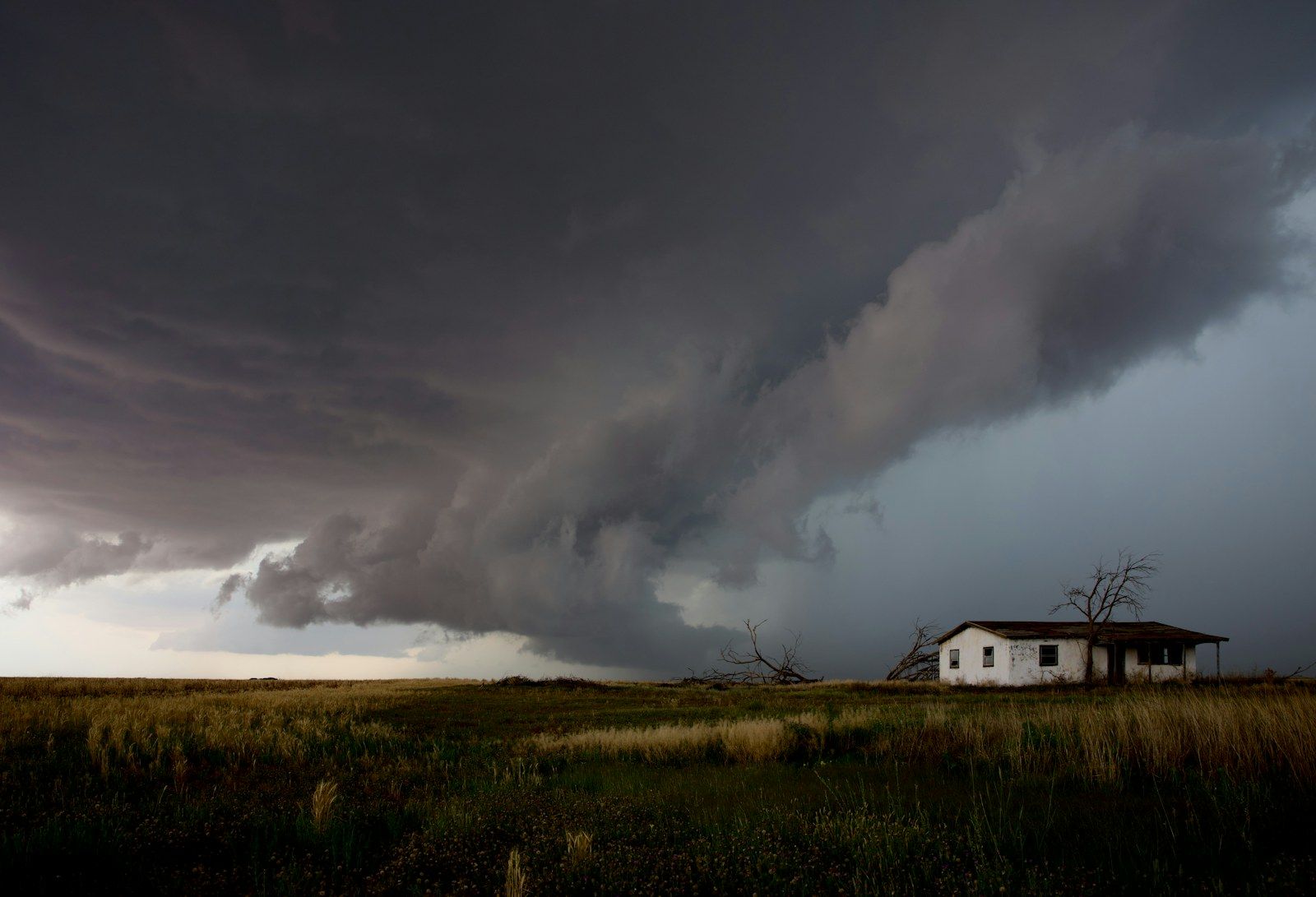
Monsoon season in the Valley
Since 2008, National Weather Service offices in the Southwest have used fixed dates for the monsoon: June 15 through September 30. The City of Phoenix says storms usually peak between mid-July and mid-August. For the region as a whole, the NWS says about half of the year’s precipitation falls from June through September.
The NWS lists dust storms, damaging downburst winds, flash floods, lightning and heat among the season’s hazards. Microburst winds are commonly 40 to 60 mph and can exceed 100 mph. And the rain “can accumulate very quickly, resulting in flooded streets or washes.”
Two storms show how fast it happens:
- September 8, 2014. Moisture from Hurricane Norbert dropped 3.30 inches at Phoenix Sky Harbor, a calendar-day record. News reports cited by NOAA said the storm flooded some 200 homes.
- September 16, 2026. Totals from northern Pinal County through northern Maricopa County reached 2 to 4 inches, most of it within a two- to three-hour period, according to the NWS. Streets, washes and creeks flooded, and there were several swift-water rescues.
Storms don’t always keep to the calendar, either. The NWS recorded a microburst with 80 to 90 mph gusts in Tempe on October 13, 2025, and a supercell that dropped hail on Ahwatukee and Tempe on November 19, 2025.
How storm water gets into a house
- Through the roof. Wind can lift or break roofing, and heavy rain finds any weak spot. If your roof has drains or scuppers, debris can block them and let water pond. Roof leaks show up as ceiling stains, sagging drywall or water dripping from a light fixture.
- Around doors and windows. Wind-driven rain gets past worn seals and thresholds.
- From the ground up. Runoff from the street, the yard or a nearby wash can flow in under doors. A clogged drywell or landscaping that slopes toward the house makes that more likely.
A single storm can do more than one of these. That matters, because water from above and water rising from outside are treated differently, both in the cleanup and by insurance.
Roof leak or flood: why the source matters
For the cleanup. Floodwater that comes in at ground level has run across streets and yards. The CDC notes that a flooded home may also be contaminated with sewage, so providers treat that water as contaminated and remove more of what it touched. Under the industry’s IICRC standard, rain coming through a roof isn’t automatically treated that way, though the provider still has to judge it. See emergency water extraction for how water types are handled.
For insurance. In general terms:
- Arizona’s Department of Insurance and Financial Institutions defines flood as water that enters the home from the outside at ground level, and says flood coverage requires a separate policy. FEMA states that most homeowners insurance does not cover flood damage.
- Rain that comes in through the roof isn’t flood under that definition. Whether a homeowners policy pays for it depends on your policy and on why the roof let water in. The NAIC notes that a homeowners policy isn’t a maintenance contract, and that repairing a roof when it begins to leak is the owner’s job.
- Flood insurance through the National Flood Insurance Program typically has a 30-day waiting period, so it has to be in place before the storm. Maricopa County notes that 1 in 4 flood insurance claims come from outside a floodplain.
If water came in both ways, photograph each one separately: the roof damage and ceiling, and the water line on the walls and the doors where it entered. Our insurance guide covers the claim process.
Before the next storm
The City of Phoenix’s monsoon advice for residents:
- Clean out roof drains or scuppers so rain water doesn’t pool.
- Clean out drywells on your property so the water has a safe place to collect.
- Repair landscaping so water runs away from the building.
The NWS adds: secure loose outdoor furniture and garbage cans, or move them indoors. If runoff tends to reach your doors, have sandbags ready before the season starts.
After the storm: what to do first
- Stay out of floodwater. The Flood Control District warns that six inches of water can knock you off your feet.
- Watch for electricity. If water is dripping through a light fixture or has reached outlets, don’t touch them. Only turn off power at the panel if you can reach it from a dry spot. Otherwise, call an electrician.
- Take photos and video of the roof, ceilings, walls and floors before cleanup starts. Then call your insurance company.
- Limit further damage. Put out buckets, move furniture and rugs, and get a roofer to cover or repair the roof. Keep receipts for what you spend.
- Start drying. The EPA advises drying water-damaged areas within 24 to 48 hours to prevent mold growth.
What storm water cleanup involves
Ceilings and attics. After a roof leak, the provider checks ceiling drywall, attic insulation and the walls below, and removes what can’t be dried. Stay out from under any ceiling that sags. The roof repair itself is a roofer’s job, and there’s no point rebuilding a ceiling under a roof that still leaks.
Floors and lower walls. For water that came in from outside, the joint EPA and CDC homeowner guide says to throw away anything wet with floodwater that can’t be cleaned and dried completely within 24 to 48 hours. Carpet, pad, baseboards and the bottom of the drywall often come out.
Drying in humid weather. University of Arizona climate researchers point out that outside air is already moist during the monsoon, which also makes evaporative coolers less effective. Providers run dehumidifiers and air movers and take daily readings. See structural drying.
Hidden mold. The EPA lists roof materials above ceilings and the back side of drywall among the places mold hides after a roof leak. If a room smells musty weeks later, see mold remediation and our signs of hidden mold guide.